**THE FRESH PRINCE–THEMED BUYING GUIDE FOR ENERPAC LOCKNUT CYLINDERS**

By Samantha Callaghan

Now featuring Will, Jazz, Geoffrey, Aunt Viv, and even a little Ashley energy.)

Now this is a story all about how
Your lifting game got flipped-turned upside down—
So sit right there, grab a wrench, don’t run,
We’ll tell you how to pick a locknut cylinder that weighs a ton.

**🎤 1️⃣ What’s a Locknut Cylinder?

(AKA: The Geoffrey Butler of Lifting Gear)**

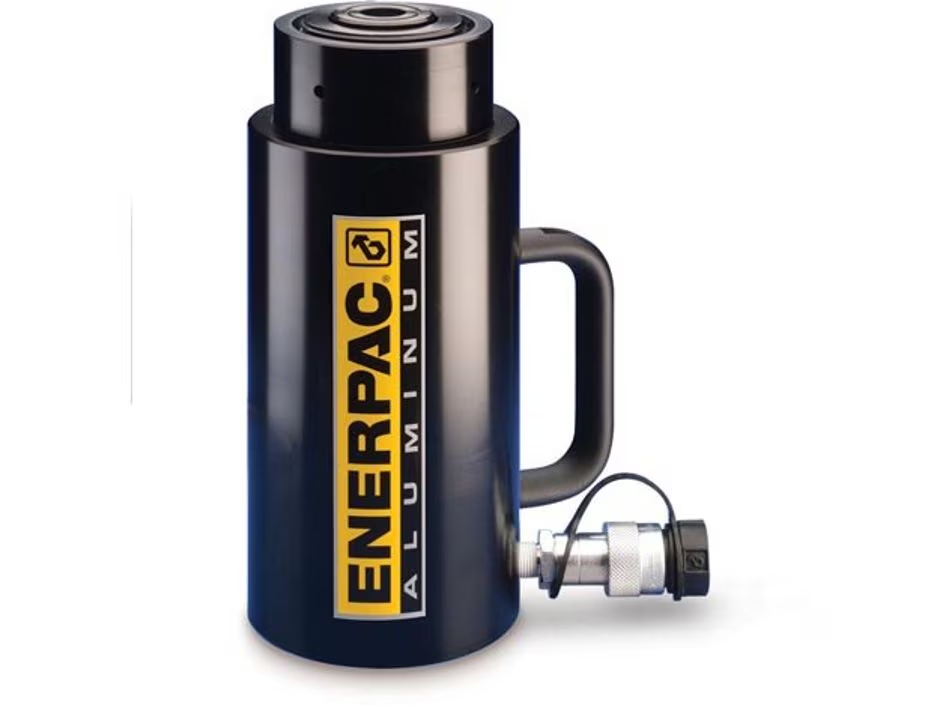
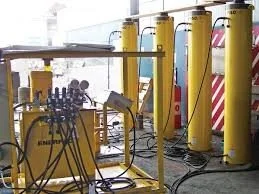
Enerpac locknut cylinders are the calm, refined, “I’ve got this handled” members of the hydraulic family.
They lift BIG loads—then lock them in place mechanically.     

Think of the locknut like Geoffrey:
✔ dependable
✔ elegant
✔ absolutely not letting anything fall on his watch

Perfect for:

  • Long-duration lifting

  • Bridge & structural support

  • Machine alignment

  • Holding loads safely even when pressure is removed

If you need the “responsible adult” of cylinders, this is the one.

**🎤 2️⃣ Why Go Locknut?

(Because You Want Control Like Aunt Viv, Not Chaos Like Jazz.)**

Enerpac locknut cylinders offer:

  • 50 to 1,000+ tons of power

  • Mechanical load holding

  • High-strength threaded locknut for safety

  • The ability to hold a lift longer than it took Will to get out of trouble

Aunt Viv would approve:
✔ stable
✔ strong
✔ impossible to argue with

Jazz would NOT approve:
✘ cannot be thrown out the house
✘ cannot “wing it”
✘ requires actual specs and reading

**🎤 3️⃣ Picking Your Tonnage

(If Will Had This Kind of Strength, He Wouldn’t Need Uncle Phil.)**

Let’s keep it real:

✔ Find the load weight
✔ Divide by number of lift points
✔ Add 20–50% safety factor
✔ Then consider going up a size

Enerpac locknut models include:

  • CLP Series: Small, compact brutes

  • CLL Series: High-tonnage giants

  • Many running well into the 1,000+ ton range

If the load is heavy enough to flatten Jazz’s hat, pick a bigger one.

🎤 4️⃣ Stroke Length: The “How High You Go” Question
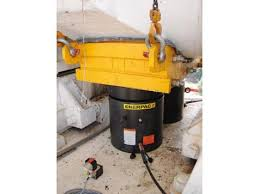
Locknut cylinders come in strokes like:

  • 50 mm

  • 100 mm

  • 150 mm

  • 200–250+ mm for larger models

Choose based on:

  • Clearance

  • Cribbing height

  • How much drama you want in your lift

Ashley: “Pick the right stroke so you don’t have to do it twice.”
Will: “I don’t need instructions!”
Uncle Phil: “YES. YOU. DO.”

**🎤 5️⃣ Single-Acting 

(Who’s Running the Show?)**

Single-Acting (Gravity or Load Return)

  • Pushes up

  • Comes down gently

  • Simple

  • Great for long-duration holding

If your lift needs coordination like a Banks family dinner, choose double-acting.

**🎤 6️⃣ Pumps: Choose Wisely
(You Need More Power Than Will’s Boom Box)**

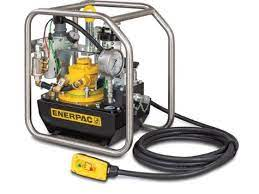
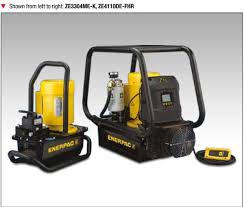
Locknut cylinders require pumps rated 10,000 psi and capable of moving LARGE oil volumes.

Electric Pumps

  • Ideal for high-tonnage locknut cylinders

  • Smooth, controlled, powerful

  • Basically the “Aunt Viv” of pumps

Air Pumps

  • Practical

  • Workhorses

  • Geoffrey approved

Hand Pumps

Use only if you want triceps like Uncle Phil and regrets like Will sneaking in past curfew.

Spec Fact:
Oil volume can run from 500 cc to 12,000+ cc, so choose a pump that won’t cry.

🎤 7️⃣ Accessories — Because No Sitcom Works Without a Supporting Cast
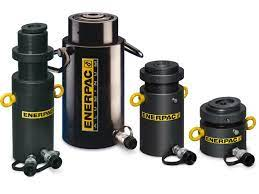
High-pressure hoses (10,000 psi)

  • Tilt saddles for uneven surfaces

  • Pressure gauges

  • Steel or hardwood cribbing

  • Manifolds for multi-point lifts

  • Couplers that ACTUALLY match

Think of these as your Jazz, Hilary, and Ashley:
They may not star in the lift, but you absolutely need them.

🎤 8️⃣ The Fresh-Prince Certified Checklist

✔ Load weight known
✔ Tonnage selected (no winging it like Will)
✔ Locknut required for holding
✔ Stroke long enough for cribbing
✔ Pump matched to oil volume
✔ 10k psi hoses + couplers
✔ Cribbing strong enough for Uncle Phil to sit on
✔ Manufacturer specs reviewed (YES, Jeffrey checked them twice)

If you checked at least 5, you’re lift-ready.

🎤 NORTHLAND AIR HYDRAULICS IS HERE FOR YOU

Just like Will always had Carlton (even when he didn’t want him),
Northland Air Hydraulics has your back for:

  • Picking the right locknut model

  • Matching pumps

  • Choosing hoses & saddles

  • Reading spec sheets

  • Multi-point lift advice

  • Troubleshooting anything suspicious

No confusion, just guidance.
Geoffrey-level professionalism included.

🎤 DON’T FORGET THE MANUFACTURER SPECS
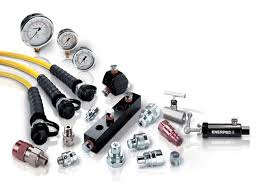
Enerpac’s documentation is the real MVP:

  • Capacities

  • Stroke limits

  • Oil requirements

  • Safety rules

  • Side-load allowances

  • Setup diagrams

They know this equipment like Hilary knows how to shop:
expertly and without hesitation.

Always check the manufacturer guide.
Skipping it is how Jazz ends up airborne.

🎤 FINAL WORD

Enerpac locknut cylinders are the high-class, high-power, never-fail members of the hydraulic world —
the Aunt Viv & Geoffrey combo:
classy, strong, reliable, and built to hold things steady.

Buy smart.
Lift safely.
Read the specs.
And call Northland Air Hydraulics anytime you need the real support team.
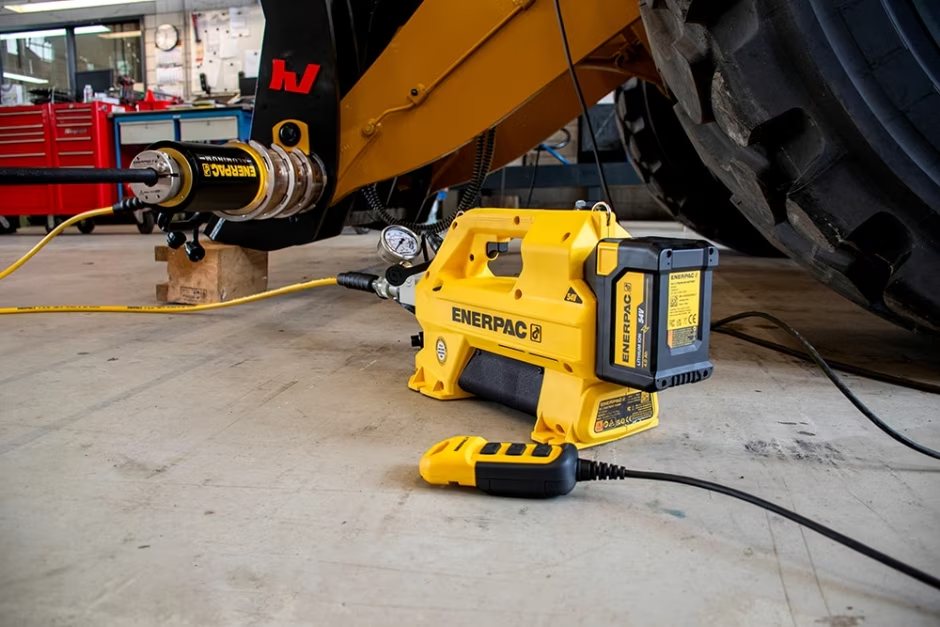
**THE NORTHLAND AIR HYDRAULICS BUYER’S GUIDE TO ENERPAC ALUMINUM CYLINDERS**

(Lighter weight, high pressure, and just enough dad jokes to keep you awake.)

By Samantha Callaghan

Enerpac Aluminum Cylinders are what you buy when you want full 10,000 psi performance without feeling like you’re hauling a boulder across a jobsite.
Same power.
Same durability.
About half the weight — which is great, because no one gets a medal for “Most Strained Back.”

Let’s walk you through the Northland way to pick the right one — useful, simple, and sprinkled with a few groan-worthy jokes for flavor.

1️⃣ WHY ALUMINUM? (Because Your Back Deserves Happiness)

Enerpac aluminum cylinders are perfect for anyone who’s ever thought:

“There has GOT to be something lighter than steel… right?”

Yes. Yes there is.

Choose aluminum when:

  • You actually have to carry the cylinder (wild concept, we know)

  • You work in rail, bridge, field, or construction environments

  • You climb ladders, scaffolding, or platforms

  • You want a cylinder lighter than your toolbox — for once

You still get:

  • 10k psi

  • Hard-coat durability

  • Steel base + saddle

  • Internal stop rings

Dad joke moment:
They’re so light, even your coffee cup might get jealous.

2️⃣ CHOOSE YOUR SERIES (The “Which Tool Fits the Job?” Step)

🔸 RAC – Single-Acting, Solid Plunger
Lightweight. Strong. Reliable.
The “everyday good kid” of the family.

🔸 RAR – Double-Acting, Solid Plunger
For hydraulic users who don’t trust gravity to do its job.
(Who could blame you?)

🔸 RACL – Locknut Aluminum
Lift it. Lock it. Walk away.
The “set it and forget it” cylinder.

🔸 RACH / RARH – Hollow Plunger
For tensioning, pulling, testing, or jobs where a rod needs to pass through —
basically the multitasker of the group.

Northland translation: Tell us what you’re actually doing, and we’ll point you to the right one — no guesswork required.

3️⃣ TONNAGE (Don’t Undersize It — This Isn’t a Jellybean Guessing Game)

Before choosing tonnage, you need:

  • The real load weight

  • The number of lift points

  • A 20–50% safety margin

  • A realistic understanding that “it doesn’t look that heavy” has never been correct in the history of hydraulics

Most aluminum cylinders fall between 20–150 tons.

Dad joke alert:
Always size up — because the only thing worse than being wrong is being wrong publicly.

4️⃣ STROKE LENGTH (How High You Actually Need to Go)

Most aluminum cylinders offer:

  • 2" (50 mm)

  • 4" (100 mm)

  • 6" (150 mm)

  • Up to 8" depending on the model

  • other lengths also available

Choose based on:

  • Clearance under the load

  • Cribbing height

  • How many steps your lift will take

Northland Tip:
Measure clearly. Measure again. THEN order.
(No, holding your tape measure “near” the load does not count.)

5️⃣ SINGLE-ACTING VS DOUBLE-ACTING (Two Ways to Do the Same Job)

Single-Acting

  • Pressure up

  • Gravity/load down

  • Simple & lighter

Double-Acting

  • Pressure up

  • Pressure down

  • Faster & more controlled

  • Ideal for synchronized lifts

Dad joke:
Double-acting is like having a teenager who actually listens — rare, but very convenient.

6️⃣ SOLID VS HOLLOW PLUNGER

Solid Plunger

For lifting, pushing, and general heavy work.

Hollow Plunger

For tensioning bolts, anchors, strands — basically anything where something needs to pass through the center.

If you tell us you’re tensioning and order a solid plunger…
we will give you the look.

7️⃣ MATCH YOUR PUMP (Don’t Marry the Wrong One)

You need:

  • A 10,000 psi pump

  • Enough oil volume for the cylinder

  • Matching 10k psi hoses and couplers

Hand pumps = okay for small aluminum cylinders.
Air/electric pumps = better for big strokes, big tonnage, or repeat use.

Northland reality check:
We’ll always match the pump for you — because guessing oil volume is how hydraulic nightmares start.

8️⃣ ENVIRONMENT & HANDLING (Where Aluminum Shines Brightest)

Aluminum cylinders are ideal for:

  • Field repairs

  • Bridge & rail work

  • Overhead lifting

  • Remote job sites

  • Any place where weight matters more than bragging rights

Dad joke:
They’re light enough you might think you forgot them… don’t worry, you didn’t.

9️⃣ THE NORTHLAND AIR QUICK-CHECK LIST

Before buying, confirm:

  • ⬜ Load weight

  • ⬜ Tonnage per cylinder

  • ⬜ Stroke needed

  • ⬜ Single vs double acting

  • ⬜ Solid vs hollow plunger

  • ⬜ Pump match

  • ⬜ Hose/coupler rating

  • ⬜ Any long-duration hold requirements

If any of these are blank… that’s literally why we exist.

🔟 FINAL WORD — THE NORTHLAND AIR PROMISE

At Northland Air Hydraulics, we help you:

  • Pick the right Enerpac aluminum cylinder

  • Match it with the correct pump

  • Get the proper hoses, couplers, and gauges

  • Avoid mis-sizing

  • Understand the specs

  • Keep your job safe and efficient

We’ve been doing this long enough to know:

Too heavy = pain
Too small = danger
Aluminum done right = perfect.

⚠️ QUICK NOTE: WHAT ALUMINUM CYLINDERS ARE NOT GOOD FOR

  • Very high tonnage lifts — when loads get monstrous and weigh a ton,
    Steel takes the lead; aluminum’s done.

  • Any side-loading — keep it straight, don’t twist or bend,
    Angle that lift and the job might end.

  • Heavy abuse or impact — when the worksite’s wild and tough,
    Steel’s the champ; aluminum says “enough.”

  • Long-term load holding unless it’s a locknut aluminum model,
    Without that nut, the load won’t coddle.

  • High-heat environments where aluminum softens faster,
    Steel stays cool; aluminum’s a disaster.

Northland Tip:
Aluminum = great for mobility.
Steel = great for punishment.

And remember — if there’s ever doubt,
Check the manufacturer specs and sort it out.

And just because no one asked for it…

🚀 EMOJI FLOWCHART — THE QUICK-PICK GUIDE

🚀 START  
   │  
   ▼  
🧐 What are you trying to do?
   │  
   ├── 🔼 Lift something heavy  
   │  
   └── 🤷‍♂️ Not sure → Ask Northland Air (it’s okay, we’ve seen everything)
   │  
   ▼  
📦 STEP 1 — TONNAGE  
   │  
   ├── ⚖️ Know the load weight  
   ├── ➗ Divide by # of cylinders  
   ├── ➕ Add 20–50% safety  
   │  
   └── 👴 Dad Tip: “Guessing tonnage is how cylinders cry.”  
   │  
   ▼  
📏 STEP 2 — STROKE  
   │  
   ├── 📐 50 mm – small lifts  
   ├── 📏 100 mm – most common  
   ├── 🪜 150–200 mm – cribbing steps  
   │  
   └── 👴 Dad Tip: “Measure twice. Complain once.”  
   │  
   ▼  
⚡ STEP 3 — ACTING STYLE  
   │  
   ├── 🔸 SINGLE-ACTING (RAC/RACL)  
   │       • ⬆️ Pressure up  
   │       • ⬇️ Gravity down  
   │       • 🎒 Lightest option  
   │  
   └── 🔹 DOUBLE-ACTING (RAR/RARH)  
           • ⬆️ Pressure up  
           • ⬇️ Pressure down  
           • 🏎️ Faster cycles  
           • 🎯 Best control  
   │  
   ▼  
🎯 STEP 4 — WHICH PLUNGER?  
   │  
   ├── 🧱 SOLID PLUNGER  
   │       • Lifting / pushing  
   │  
   └── 🕳️ HOLLOW PLUNGER  
           • Tensioning  
           • Pulling  
           • Rod-through jobs  
           • 👴 Dad Tip: “If you need a hole… pick the one with a hole.”  
   │  
   ▼  
🛢️ STEP 5 — PICK YOUR PUMP  
   │  
   ├── 💪 Hand Pump → small cylinders / occasional use  
   ├── 🌬️ Air Pump → steady shop work  
   ├── ⚡ Electric Pump → big strokes, big tons, big jobs  
   │  
   └── 🔧 Must be 10,000 psi + matching hoses/couplers  
   │  
   ▼  
🧩 FINAL CHECK  
   │  
   ├── ✔ Tonnage?  
   ├── ✔ Stroke?  
   ├── ✔ Single or double acting?  
   ├── ✔ Solid or hollow plunger?  
   ├── ✔ Correct pump?  
   ├── ✔ 10k hoses/couplers?  
   │  
   └── 🤝 If not sure → Northland Air Hydraulics will sort it out  
         👴 Dad Tip: “Asking questions is free. Mistakes aren’t.” 

The Quirky (But Actually Educational) Guide to Choosing the Right Enerpac Hydraulic Cylinder for Your Lifting Needs

By Samantha Callaghan

🏋️ Step 1: So, What’s the Big Deal About Enerpac Cylinders?

Enerpac doesn’t make your average, run-of-the-mill “maybe-it’ll-lift” cylinders. These are the heavy lifters of the hydraulic world — the kind that quietly move bridges, hold up mining equipment, or rescue your 40-ton machinery when gravity gets ambitious.

From compact single-acting cylinders that slip into tight spots to giant high-tonnage beasts that could probably lift your entire shop (and your ego), Enerpac’s got a cylinder for every kind of lift.

📏 Step 2: Start with the Big Three — Stroke, Tonnage & Height

Hydraulic cylinders come in all shapes, sizes, and personalities, but you’ll want to focus on three main traits:

  • Tonnage: How much it can lift. Enerpac cylinders range from light 5-ton models to 1,000-ton monsters that make forklifts look like toys.

  • Stroke: How far it lifts. Need a little nudge? Try a short-stroke. Need a big lift? Go for a long-stroke or telescopic model.

  • Collapsed height: How much space it takes up before extending. Low-profile cylinders are your best friends in tight spaces — they do the heavy lifting without taking up real estate.

Pro tip: Always choose a cylinder with about 20% more capacity than you think you’ll need. (It’s like dessert — better to have extra.)


🧠 Step 3: Pick Your Personality Type — Cylinder Edition

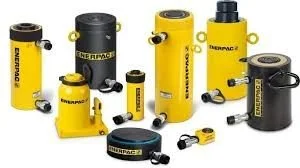
Enerpac’s lineup has more variety than a coffee shop menu. Here’s a quick cheat sheet:

  • RC-Series (Classic General Purpose):
    The workhorse. Reliable, rugged, and ready for almost anything. Perfect for lifting, pressing, or straightening tasks.

  • RSM & RCS-Series (Low Profile):
    Short and strong — for when space is tighter than your lunch break. Ideal for industrial maintenance and confined lifts.

  • RR-Series (Double-Acting Power):
    Push and pull with fluid force. Great for precision jobs, tensioning, or when gravity just isn’t doing enough.

  • CLS & CLP-Series (High Tonnage):
    The heavy hitters — built for bridge jacking, shipbuilding, and “we’re gonna need a bigger pump” moments.

  • RT-Series (Telescopic):
    When you need a long reach without a tall setup. Perfect for lifts that need more travel but less space.

  • RSM-Series (Flat Jacks):
    Pancake-shaped powerhouses — thin but mighty. Great for lifting heavy loads just a few inches.

🧯 Step 4: Single-Acting vs. Double-Acting — It’s a Commitment Thing

Enerpac makes both, and which one you need depends on your relationship with gravity:

  • Single-Acting: Lifts with hydraulic pressure, returns with gravity or a spring. Simple, compact, and perfect for most maintenance and repair jobs.

  • Double-Acting: Lifts and retracts using hydraulic power — faster, more control, and ideal when you can’t rely on gravity (or patience).

🌡️ Step 5: Match the Cylinder to the Job

 
  • Maintenance & repair work? RC or RCS series — easy to use, simple to carry, and strong as an ox.

  • Precision positioning or pulling? RR or RD series — double-acting precision at your fingertips.

  • Heavy construction or bridge lifting? CLS or HCG series — maximum tonnage, maximum confidence.

  • Tight spaces? RSM series — flat, fast, and fearless.

🔧 Step 6: Don’t Forget the Accessories 


A cylinder’s only as good as what’s connected to it. Pair it with:

  • The right pump (air, hand, or electric — Enerpac’s got them all)

  • Proper hoses and couplers rated for your pressure

  • Load return valves and pressure gauges for safe, controlled lifting

Because safety isn’t optional — and a little extra prep today means no hydraulic drama tomorrow. 

🧽 Step 7: Maintenance — The Secret to Cylinder Longevity


Even Enerpac cylinders appreciate a little TLC. Regular cleaning, proper oil, and keeping those seals in check will make your cylinder last years longer.

And if that sounds like a lot, don’t worry — we can help with that too. Our team can assist with setup, troubleshooting, and regular maintenance to keep your system running like the day it came out of the box.

🎉 Final Thought

Choosing the right Enerpac hydraulic cylinder isn’t guesswork — it’s about matching strength, stroke, and style to your lifting needs.

Whether you’re raising heavy equipment, pressing parts into place, or straightening steel, there’s an Enerpac cylinder made for the job — and we’re here to help you find it.

From helping you pick the perfect model to keeping it maintained for years of flawless lifts, we’ll make sure your cylinder keeps doing what it does best:
lifting heavy, working smart, and staying smooth under pressure.  

Buying guide: How to Pick the Perfect Hydraulic Bolting Setup

Because “tightening things” shouldn’t feel like solving a Rubik’s Cube in the dark.

By Samantha Callaghan

1. Know Your Bolts, Know Your Battle Plan

Before you fall in love with shiny tools, figure out what you’re actually tightening.

  • What’s the job? Pipeline flanges, turbine studs, structural anchors — or the mystery bolts no one admits to installing?

  • What size, grade, and thread are we talking about?

  • What torque or preload do the engineers demand this week?

  • Where are you working — an offshore platform, a cramped corner, or a heatwave in a metal box?

Figure it out before you fire it up — “oops” and 10,000 psi don’t make a good duet

2. ⚔️ Torque vs. Tension — Choose Your Fighter


Step into the arena — two legends, one job site. Who will you pick?

🥊 Torque Tool


Fast. Fierce. A little rough around the edges.

This powerhouse thrives on speed and muscle — perfect when “close enough” still gets the job done.
He’s the brawler of the bolting world: less talk, more twist.

Special Moves:

  • Lightning-fast torque delivery

  • Works in almost any arena

  • Bonus points for brute force and reliability

Weakness:

  • Not the best at “perfect accuracy” — think street fighter, not surgeon.

3. ⚔️ Tensioner

Smooth. Precise. The tactician.
This hero doesn’t just tighten — it elevates preload perfection to an art form.
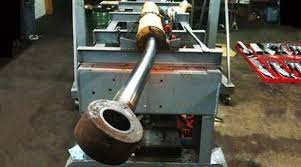
Ideal for high-stakes battles like pressure vessels, turbines, and anything that makes engineers sweat.


Special Moves:

  • Even, repeatable preload

  • Zero friction drama

  • Makes QA departments swoon

Weakness:

  • Takes a little longer to set up, but worth every second for that flawless finish.

Muscle Matters — Pick the Right Power

Think of it like choosing the right club on the golf course — it’s all about matching your swing to the shot.

Your bolts are the fairway ahead: you need enough power to reach the green, but not so much that you overshoot into the rough.

  • Biggest bolt = your driver. That’s your baseline — the longest shot, the most force.

  • Add a little extra muscle (10–20%) for real-world friction and operator “enthusiasm.” It’s your wind adjustment.

  • But don’t overdo it — no one needs a torque wrench that could launch the ball into orbit when all you needed was a solid mid-range hit.

Choose your gear like a pro picks a club: deliberate, precise, and with just enough power to make it look effortless.

4. Pump It (But Smartly)

Your pump is the unsung hero — do your research and get the right one.

  • Field jobs: Portable air or battery pumps keep things moving.

  • Shop setups: Electric or air-driven pumps for speed and endurance.
    Just make sure your pump and tool speak the same pressure language (usually around 10,000 psi).

5. Comfort Counts


A good fit isn’t just for jeans; don’t worry we won’t make you turn around like your mom did to find the right fitting jeans.

  • Does the tool fit where you need it to go?

  • Can you lift it without needing a chiropractor?

  • Do the hoses, couplers, and reaction arms actually connect?

Ergonomics might not sound exciting, but your shoulders will thank you later.

6. Vendors: Swipe Right Wisely

Choose a supplier who’s in it for the long haul — not just the first date.

  • Calibration certificates? ✅

  • Spare parts that don’t take six months? ✅

  • Real customer stories and local support? Double ✅ 

Final Word: Tighten Smarter, Not Harder

Finding the right hydraulic setup isn’t about knowing every spec — it’s about knowing your job, your bolts, and your limits.
Get that right, and every bolt will click into place like you planned it that way all along.

(Bonus points if you look heroic doing it.) 😎

💪 At Northland Air Hydraulics, we’ve got your back.

From narrowing down your exact needs to calibrations, repairs, and everything in between — we’ll walk with you every step of the way.
Because when it comes to hydraulic power, you don’t have to go it alone

Hydrotesting Units: Teaching Equipment How to Handle the Pressure

By Samantha Callaghan

♫♫♫ Ba, ba, boom, bah, baby… Under pressure, ba, ba, boom, bah, baby ♫♫♫

Some people go to the gym to test their strength. Some people take yoga to learn how to stay calm under stress. Equipment? Well… it goes through hydrotesting. Safety is one of the most important things on any worksite—one mishap, especially one that could have been avoided, can put your team at risk. Not only can it cause anything from minor incidents to full-on disasters, but it can also drain your time, money, and sanity faster than a leaky hydraulic hose.

Hydrotesting units are like personal trainers for pipelines, hoses, and cylinders. Except instead of yelling, “One more rep!” they quietly crank up the pressure and say, “Let’s see what you’re really made of.”

So… What Is Hydrotesting?

In the simplest terms: fill it with fluid, pump up the pressure, and wait to see if it holds or leaks.

·         If it passes: excellent, it’s ready to work harder so you can actually enjoy that Monday morning coffee.

·         If it fails: at least you found out in a safe, controlled test—not with your entire crew staring as your equipment throws a tantrum in the field.

Basically, hydrotesting is a polite but firm way to ask your equipment: “Can you handle this? Are you ready for the job? Or are we sending you out to fail in spectacular fashion?”

Why Use Hydrotesting Units?

Because garden hoses and a prayer won’t cut it. Hydrotesting units are built to:

·         Control pressure with precision (no guessing games—sorry, your magic 8-ball is on backorder).

·         Simulate real-world conditions without real-world disasters.

·         Expose the truth: no leaks, no excuses, no funny business.

Think of it as putting your equipment in an interrogation room and hooking it up to a lie detector. The truth comes out… and it doesn’t even need a lawyer.

Where Do We Use Them?

You’ll find hydrotesting units in:

·         Oil & Gas: pipelines that really shouldn’t surprise anyone with a leak.

·         Construction: hydraulic cylinders that lift more than a bodybuilder on cheat day.

·         Manufacturing: tanks and vessels that need to stand tall—no wobbles allowed.

·         Aerospace & Automotive: parts where failure isn’t a joke—it’s a full-blown catastrophe.

If it involves pressure, don’t wing it. This is your Animaniacs Good Idea, Bad Idea moment: Hydrotesting? GOOD IDEA. Finding out it cannot take the pressure onsite? BAD IDEA.

Why It Matters

The benefits are simple (and slightly lifesaving):

·         Safety: avoid the “kaboom” moments. Nobody enjoys an unplanned fireworks show in the shop. Can you imagine—please just imagine—10,000 PSI of fluid flying around in all directions, sending things flying? NOPE. Doesn’t sound fun to me.

·         Reliability: know your equipment won’t chicken out under stress. You wouldn’t want an employee or co-worker who is unreliable—same principle applies.

·         Compliance: follow the codes, skip the fines, and keep auditors off your back.

·         Peace of Mind: sleep better knowing your gear can handle Monday morning without whining. Time is money, and downtime is expensive. Hydrotesting ensures your equipment doesn’t quit on you, saving both.

Final Thoughts

Hydrotesting units may not be flashy, but they are essential. They make sure the equipment we depend on every day won’t crack under pressure—literally.

Because let’s face it: in hydraulics, the pressure is on. If your gear can’t handle it, that’s a [insert that radio “kshhhh” sound] “Houston, we have a problem” [and again, kshhhh] moment waiting to happen.

At Northland Air Hydraulics Ltd., we’re here to help with all things hydrotesting. From picking the right unit to ongoing maintenance and expert repairs, our team has the knowledge, experience, and occasionally questionable jokes to keep your equipment performing under pressure. Count on us for reliable support every step of the way—because when it comes to hydraulics, we don’t just talk the pressure talk; we pump it.


Hydrotesting Made Simple: Exploring the Tools and Equipment You Need

By Samantha Callaghan

When it comes to hydraulic and pressure systems, safety isn’t optional, it’s essential. One small failure in a hose, cylinder, or pipeline can turn into a costly disaster. That’s where hydrotesting comes in: a controlled, precise way to ensure your equipment can handle the pressure before it faces the real world.

If you’re new to hydrotesting or looking to expand your knowledge, it helps to understand the different types of hydrotesters and equipment available. Here is a simple guide for understanding some of the equipment and components to a hydrotesting system.

1. Custom Test Benches

Custom test benches are stationary setups designed for testing specific equipment, such as hydraulic cylinders, valves, pumps, or tanks. Like buying a new car, what the show next to you needs may not be what you need and having the option for customization can help ensure the productivity and safety are not compromised.

  • Purpose: These benches allow operators to safely simulate real-world operating conditions while controlling pressure, temperature, and fluid flow.

  • Features: They often include pressure gauges, relief valves, and automated controls. Some benches can test multiple units simultaneously.

  • Benefits: Using a custom bench ensures accurate testing, repeatability, and safety, making them ideal for in-house testing of standard equipment or quality control purposes.

2. Custom Portable Hydrotesters

Portable hydrotesters bring the same precision as a test bench but with the flexibility to work on-site. Not everything can be down in a shop all the times and having the ability to bring your hydrotesters to site, can be a game changer.

  • Purpose: Perfect for field testing of pipelines, hoses, or hydraulic systems that cannot be moved to a shop.

  • Features: Lightweight frames, built-in pumps, adjustable pressure settings, and easy connections to hoses and fittings. Some portable units are battery-powered or equipped with electric motors for remote locations.

  • Benefits: They allow technicians to perform inspections and maintenance without disrupting operations or transporting heavy equipment.


3. Data Logger Systems

Modern hydrotesting isn’t just about pass or fail—it’s about capturing information. Now we are getting fancy.

  • Purpose: Data loggers record pressure, temperature, flow, and time during a hydrotest.

  • Features: Digital displays, automated logging, wireless connectivity, and integration with reporting software.

  • Benefits: These systems provide traceable records for compliance with safety regulations, help identify trends in equipment performance, and improve troubleshooting efficiency.

4. Electrical Hydrotesters

Electrical hydrotesters automate the pressurization process for precise and repeatable results.

  • Purpose: Designed for high-volume or highly-sensitive equipment testing.

  • Features: Programmable pressure profiles, automatic pressure ramp-up and release, and safety shutdown systems.

  • Benefits: They reduce human error, improve efficiency, and ensure that sensitive equipment is tested under exact conditions without risk.

5. Gas Boosters

Gas boosters are specialized hydrotesting units that use gas to pressurize equipment. Not all pressure systems are hydraulic and with that there needs to be someone that can accommodate.

  • Purpose: Ideal for pneumatic systems or applications where hydraulic fluid is unsuitable.

  • Features: Adjustable pressure control, compact design, and compatibility with different gases.

  • Benefits: They offer controlled, high-pressure testing while eliminating the need for hydraulic fluid, reducing contamination risk, and making certain leak detection tests easier.

6. Hoses and Fittings

Using the correct hose and fittings for your hydrotesting unit is equally as important as the unit itself. All of them are rated for certain working pressures, attachment sizes and types and these need to be appropriate for what you are testing.

  • Purpose: Safely transfer pressurized fluids or gases between the hydrotester and the equipment being tested.

  • Features: Rated for different PSI ranges, flexible or rigid options, corrosion-resistant materials, and quick-connect fittings.

  • Benefits: Correct hoses and fittings prevent leaks, bursts, and pressure drops, ensuring the accuracy of your tests and safety of personnel.

7. Understanding Different PSI Levels

Low pressure, medium pressure, high pressure and even ULTRA high pressure. PSI rating ranges from equipment and needs and understanding what the pressure is that you need is extremely important. With hydrotesting, different equipment requires testing at different pressures to ensure reliability.

  • Purpose: Determine the maximum operating pressure and safety limits of the equipment.

  • Guidance: Always test slightly above the normal operating pressure, following manufacturer recommendations and industry standards.

  • Benefits: Proper PSI testing ensures that the equipment will withstand real-world conditions without failure, helping prevent accidents and downtime.

What does it come down to?

Hydrotesting may not be flashy, but it is critical to industrial safety and operational reliability. Whether you’re using a custom test bench, a portable hydrotester, data logging systems, electrical hydrotesters, gas boosters, or the right hoses and fittings, understanding your options ensures you can test safely, accurately, and efficiently.

Whether you’re looking to design and build a brand-new custom hydrotesting unit or need support with your existing system, we’re here to work with you every step of the way. Our team can tailor solutions to meet your exact needs and ensure your equipment performs at its best.

THE ENERPAC RC SERIES CYLINDER

By Samantha Callaghan

Let me tell you about something that doesn’t get nearly enough love: the Enerpac RC Series Cylinder. I know, I know—talking about cylinders might not sound thrilling to most people (just like most of my blogs, if I’m being honest). But when your day-to-day includes lifting, pushing, pressing, or aligning heavy stuff, the RC Series is like finding that one magical tool that doesn’t just work—it works consistently. No drama. No surprises. Just pure, unbothered lifting power.

If tools had personalities, the RC would be your reliable friend Jimmy—the guy who always shows up early to help move a couch, somehow lifts twice as much as anyone else, and still listens to Limp Bizkit on cassette. Not flashy, not complicated—just absurdly dependable. These single-acting, spring-return cylinders are basically the brick Nokia of hydraulics: it’ll still be ready to go when you need it.

They are regularly used on worksites that are dusty, muddy, and cramped they could’ve doubled as a deleted Indiana Jones scene. But the RC didn’t care. It never does. It's like those Velcro shoes we all wore as kids—easy, reliable, and weirdly satisfying.

One of the reasons this line is such a go-to is the sheer variety it offers. Whether you need a 5-ton compact powerhouse with a 2-1/8 inch stroke, or a 100-ton beast with a 14-inch reach, the RC lineup has you covered. Over 20 models to choose from, all with that rugged alloy steel body, baked enamel finish, and internal dust wipers that keep the grime out and the performance in. You know that one LEGO piece that seemed to fit in every build, no matter what you were making? That’s what these cylinders are like.

And let’s talk features. That spring return action? It’s like a hydraulic slinky that doesn’t tangle or disappear under the couch. Pressurize, lift, and it snaps back like it’s got something to prove. The mounting options are equally user-friendly—collar threads, plunger threads, base holes—basically the LEGO Technic of industrial tools. They fit into whatever configuration you throw at them, and look cool doing it.

Durability-wise? RC cylinders are tougher than my childhood bike, which I absolutely rode straight into a mailbox or pole… not going to lie, more than I like to admit. I’ve seen some of these cylinders come in that have sure been tested, but with regular maintenance and care they still function like they just came out of the box. Some of them have been in use for over a decade and are still going strong. If grandma’s cast iron skillet had a hydraulic cousin, it’d be this.

Many of the models are compact enough to stash in the back of your truck but powerful enough to do some seriously heavy lifting. Imagine a Capri Sun, but instead of juice, it's filled with raw hydraulic force. Now you’re picturing it, right?

It’s like booting up your Game Boy after years and still getting hours of play out of those beat-up AAs. There’s a reason once you try one, you start looking for excuses to use it again.

At Northland Air Hydraulics, we keep recommending the RC Series not because of some flashy promo, but because we’ve seen what these cylinders can handle—and how long they last. Whether you’re in construction, maintenance, heavy equipment repair, or anything in between, these cylinders belong in your gear lineup. Like a Teenage Mutant Ninja Turtle in a sewer, they just fit.

So yeah, I guess I’m over enthusiastic about many things and this is one of them. But when a tool consistently makes your life easier, your lifts safer, and your job smoother... why wouldn’t I be?

If you’re looking for help finding the right size or want to explore other options—double-acting, low-profile, high-tonnage—we’re just a call or email away. We’re here to take the stress out of hydraulics and maybe even have a little fun doing it.

(Yes, I said it. Hydraulics can be fun. Don’t @ me.)

The A–Z of Hydraulic Seals

Whether you're a hydraulic pro or just found out seals aren't only at the zoo. Here is my A-to-Z guide to break down everything you never knew you needed or wanted to know about hydraulic seals—what they do, what they're made of, and why your equipment throws a tantrum without them.

A – Application

Choosing the right seal starts with understanding your Application—pressure, temperature, motion, and fluid compatibility all matter. Using the wrong seal? That’s like trying to fix a leak with chewing gum—temporary at best and definitely not the right application!

B – Breakdown Prevention

Seals play a major role in preventing breakdowns by keeping contaminants out and hydraulic fluid in. Regular maintenance is key to make sure your Seals are up to par.

C – Compatibility

Material and design must be compatible with the fluid and system conditions to prevent early failure.

D – Dynamic Seals

These seals manage movement, these include piston seals, rod seals, wiper seals and wear rings are constantly subjected to wear and friction.

E – Extrusion

A common seal failure caused when pressure forces the seal material into gaps between metal components—watch those tolerances!

F – Friction

The right Fit is important as well as having the proper seal design to minimize friction, helping components move smoothly and efficiently without heat buildup.

G – Gaskets

Well these are kind of different but they still count, gaskets are static seals used in hydraulic systems to prevent leaks between stationary parts.

H – Hardness

The Durometer—or hardness—of a seal plays a big role in how flexible it is and how well it holds up over time. Think of it like Goldilocks: too soft and it wears out fast, too hard and it won’t seal properly. You need it JUUUST right—because in hydraulics, leaks aren’t cute, and there's no fairy tale ending for blown seals

I – Installation

Incorrect Installation is one of the top reasons seals call it quits early. Lets be real nothing says “I give up” like being shoved in backwards and expected to perform miracles.

J – Joint Integrity

Seals are the behind-the-scenes MVPs, keeping hydraulic Joints snug, systems leak-free, and everything running so smoothly you'd think the laws of physics were taking the day off.

K – Kits

Because of of seals be important within your hydraulic systems, there is more likely than not a Seal kits available that offers all the necessary components for servicing cylinders or pumps, great for maintenance and repair work.

L – Leakage

The #1 killer of hydraulics systems. GOOD SEALS = zero leakage = Continued productivity of your hydraulic system while maintaining safety.

M – Materials

Depending where and what the seals are being used for, the material is very important. From nitrile to Viton to PTFE, seal materials determine heat resistance, chemical resistance, and lifespan.

N – Nitrile (NBR)

A widely used sealing material due to its affordability, flexibility, and resistance to oil-based fluids.

O – O-Rings

The KING of the seals. The most common type of seal. O-rings are extremely versatile and are used in both static and dynamic applications.

P – Piston Seals

Piston seals keep pressure on one side of the piston where it needs to be and prevent fluid from crossing over to the other chamber.

Q – Quality Control

Quality of seals is important as not all are made with the same standards. We source seals from suppliers with strong quality control. A poor seal can mean major downtime and can be hazardous to your work environment.

R – Rod Seals

No one wants a fountain of hydraulic fluid flying out of the top of your cylinder. As mentioned these are located in the cylinder head, rod seals keep fluid from leaking out as the rod moves in and out.

S – Static Seals

The glue between stationary surfaces, these seals don’t move and are used in joints, flanges, and covers to create a leak-proof seal.

T – Temperature Resistance

Hydraulic systems can get hot! Seals must maintain performance across a wide temperature range and many factors are taken into account to make sure this happens.

U – U-Cups

One of the popular kids in the yard, this seal provides a tight, self-energizing seal under pressure—used for both rod and piston applications.

V – Viton

Just like a true Albertan, this material can handle all the weather curveballs we throw its way—whether its rain, snow, or desert heat, it’s unfazed. A premium sealing material renowned for its chemical and temperature resistance, it’s built tough to perform flawlessly in the harshest environments.

W – Wipers (Scrapers)

The janitor of the seals. These remove dirt and debris from the rod before it re-enters the cylinder—essential for seal protection.

X – eXtruded Seals

UH OH!! This isn’t supposed to be like that. Watch for extrusion damage on seals under high pressure—back-up rings can help prevent this.

Y – Yield Point

Again, regular maintenance is important, as well as making sure you are using your hydraulic systems correctly. Materials used for sealing must stay flexible within the system's yield point, exceeding this leads to deformation and failure.

Z – Zero Downtime

At Northland Air Hydraulics Ltd., we’re here to help you seal the deal, literally. From making sure the seals used are the right ones for the job to keeping them in tip-top shape, our mission is to keep your hydraulics flowing, your seals happy, and your downtime so close to ZERO it might as well be a rounding error.

How Often Should Hydraulic Equipment Be Sent in for Maintenance?

ENERPAC SIMPLEX SPX POWERTEAM HYTORC

Hydraulic equipment powers critical operations across industries such as construction, energy, and manufacturing. To maintain peak performance, prevent costly downtime, and ensure safety, regular maintenance is essential. While specific intervals vary by equipment type and usage, a general maintenance schedule is widely recommended by industry experts and manufacturers-including Enerpac, a leading provider of hydraulic tools.

It's always best to base maintenance procedures on manufacturers guidelines but these are some general suggestions to consider.

Recommended Maintenance Schedule

Daily or Weekly Checks: Operators should perform routine inspections of fluid levels, look for leaks, and monitor system temperatures. These quick checks help identify small issues before they escalate, improving safety and reducing unplanned downtime.

Monthly Preventative Maintenance: Monthly tasks include inspecting hoses, filters, and connections, and assessing hydraulic fluid condition. Contaminated or degraded fluid reduces system efficiency and accelerates wear. Changing hydraulic oil every 1,000 hours or as specified by the manufacturer is a common guideline.

Quarterly or Biannual Service: Every 3 to 6 months, a more thorough service should be performed, including replacing hydraulic fluid and filters, checking pressure settings, and inspecting actuators and seals. Using genuine parts and qualified technicians-such as those recommended by Enerpac-helps maintain system integrity.

Annual Full Inspection: For high pressure equipment, a full-system inspection or overhaul is advised annually or according to manufacturer-specified hours. This helps identify wear and fatigue in critical components, ensuring safety and operational efficiency.

Why Regular Maintenance Matters

Hydraulic systems operate under high pressure, and failures can cause leaks, bursts, or hazardous movements, posing serious safety risks. Proper maintenance reduces these risks and keeps workers safe. Moreover, well-maintained equipment runs more efficiently, minimizing fuel or energy consumption and preventing costly production delays.

Industry and Manufacturer Recommendations

Industry standards such as ISO 9001, ISO 4413, ANSI/HI 9.6.5, and OSHA regulations all emphasize the importance of systematic, proactive maintenance programs. Following manufacturer guidelines-like those provided by Enerpac-ensures compliance with safety and quality requirements and helps extend equipment lifespan.

By adhering to these maintenance intervals and best practices when repairs or overhauls are needed, organizations can maximize hydraulic equipment reliability, safety, and productivity-whether using Enerpac tools or other trusted hydraulic systems.

Contact Northland Air Hydraulics Ltd. to Start Your Hydraulics Maintenance Program

www.northlandairhydraulics.com

Hydraulics: The Pint-sized powerhouse of the lifting world

Go! Go! Gadget hydraulics. Inspector Gadget probably wished he has this for one of his gadgets. Probably would have been one of his most effective tools and could have saved him a lot of trouble.

Did I make hydraulics sound a little more exciting yet? I mean, the word itself feels like it belongs in a dusty old engineering textbook. Come on! Science can be fun… The power of what some fluid can do with little to no effort is pretty cool in a Dorky way. Take for instance something the size of a can of pop can lift your car with a push of a button. The roads and bridged you drive on, thanks hydraulics. All those amazon packages you get, it’s ok we all know you enjoy amazon just the rest of us, hydraulics definitely had a part in getting those to you. But let talk specifically lifting.

So… What Is Hydraulic Lifting?
As I mentions above, imagine you had the strength of an elephant packed into a soda can. That’s basically what a hydraulic system is doing—using fluid (in most cases this is oil) to create massive amounts of force. You push a little fluid here, and badabing!!—something huge moves over there. Mr. Clean has his little ol’ magic eraser but the rest of us have the power of itty bitty systems that essentially can move mountains.

Ok, let’s get a little nerdier. All this is because of Pascal’s Law, which sounds like something you faintly remember from physics class in high school when you mastered the I’m paying attention but not actually paying attention skill of life, but it’s actually mind blowing: “Pressure applied to a confined fluid is transmitted undiminished in all directions.” Translation: Put a little juice in it and there she goes.

It’s Basically Magic, only not hidden secrets like Houdini?
Let’s say you press on a small piston the size of a bottle cap. That push moves fluid into a much bigger piston—let’s say the size of a dinner plate. Because the fluid pressure stays the same, the big piston moves with way more force. Congratulations! You just became the next Mr. Strongman and lifted a car with your pinky (well, sort of).

It’s like mechanical alchemy. Work smart not hard. Even forklifts, garbage trucks, and that ride at that amusement part you thought would be a good idea to go on that almost made you remember what you had for breakfast rely on hydraulic lifting.
Superpowers in the everyday life

Hydraulics are hiding in plain sight, flexing their muscles in places we barely notice:

 Elevators: That smooth glide up to the 15th floor? Yup, hydraulic lift.
 Backhoes and Excavators: Basically giant robot arms running on fluid power.
Car Brakes: Hydraulics give you the stopping power to make sudden red-light halts slightly less terrifying.

The Real Fascination?

It so simple! A couple tubes here, some fluid there, and boom—you’re lifting 500 tons. I like to think this is engineering at its finest. It’s clean, it’s quiet (this doesn’t included that powerful pump that some have that would make Tim the tool man jealous with what power it has) and ridiculously strong. And there's just something so satisfying about seeing a massive object float upwards with no visible effort.

So next time you see that worker up in the air fixing a streetlight, or a tow truck pulling that car out of a ditch after a crazy snow storm and lifting it onto the deck of his truck, give a little round of applause to hydraulics. They may not wear capes—but they may just be one of the closest thing to having that super power always wanted.

Mechanical vs. Hydraulic Systems: What’s the Deal? What Would Work Best for You?

When it comes to moving things, lifting loads, or powering machines, both mechanical and hydraulic systems can get the job done — but they go about it in very different (and honestly, pretty cool) ways.

Let’s break it down.

🛠️ Mechanical Systems: Classic Simplicity That Still Delivers

Think old-school — a system that’s been around forever and is still going strong. Mechanical systems are all about using basic movements to achieve a goal. You push here, something turns there — simple, reliable, and tactile. Gears, levers, pulleys, belts, and shafts do the work without the need for fluid, electronics, or complexity.

These systems are so solid that if it ain’t broke, don’t fix it. They were used back in the day, they’re used now, and your great-grandkids will probably still be using them.

✅ Pros:

  • Simple designs and easy to operate

  • Easy to diagnose and fix problems

  • No fluid, seals, or leaks to worry about

⚠️ Cons:

  • Friction and wear can limit lifespan

  • Not as precise for fine control

  • May not be ideal for tight-space or high-load applications

💧 Hydraulic Systems: Power in Fluid Form

More power! That’s the magic of hydraulics. With the help of fluid — usually oil — you can generate far more force than a mechanical setup of the same size. Pressurized fluid flows through pumps, valves, and hoses to deliver smooth, powerful, and precise motion.

If you need accuracy, strength, and control — especially in tight or high-demand environments — hydraulics is the way to go.

✅ Pros:

  • High power-to-size ratio

  • Smooth, accurate, and consistent movement

  • Self-lubricating thanks to the fluid

⚠️ Cons:

  • Prone to leaks without regular maintenance

  • More complex (pumps, fluid lines, seals, fittings)

  • Fluid contamination can impact performance

⚖️ So, What’s the Bottom Line?

  • Use mechanical systems when you need something simple, quick, and reliable — especially for general tasks with fewer precision demands.

  • Use hydraulic systems when you need strength, control, and accuracy — particularly in tight spaces or for heavy-duty applications.

Both systems have their place. It’s all about choosing the right one for your task — and doing it safely and efficiently.

Whether you're after the simplicity of a mechanical system or the muscle of a hydraulic one, Northland Air HydraulicsLtd. is your go-to source. 

We offer top-tier products, expert advice, and personalized support to help you choose the right system for your needs. With decades of experience, a full-service shop, and a reputation for reliability, we’re here to help you power up — the right way.

Safely Lifting Heavy Loads

Elevate your lifting operations to unprecedented heights with the ML40 Mini Hydraulic Gantry

In the realm of heavy lifting technology, where precision, safety, and versatility are paramount, the ML40 Mini Hydraulic Gantry System stands tall as a beacon of innovation. Part of the ML-Series, this compact yet robust system redefines the landscape of heavy lifting with its myriad of advantages. Let's delve into what makes the ML40 a game-changer in the industry

Safety First:

Safety is not just a feature; it's the cornerstone of the ML40's design. Equipped with stroke synchronization, this system ensures a level lift regardless of load distribution. The PLC controlled lifting, coupled with feedback from a stroke encoder, guarantees even height on all legs. Moreover, the system possesses the intelligence to halt the lift if necessary, preempting potential issues and prioritizing safety above all.

Unrivaled Capacity:

Despite its compact size, the ML40 boasts an impressive lifting capacity of 45 tons at full extended lift height. This means that even in confined spaces, the ML40 can elevate heavy loads with ease, making it the go-to choice for a myriad of industrial lifting needs. Its ability to lift full capacity to a height of 18 feet underscores its versatility and sets it apart as a market leader.

Unparalleled Compactness:

One of the standout features of the ML40 is its compact design. Easily maneuverable and capable of fitting through standard doorways, this gantry system transcends spatial constraints. In industrial settings where space is at a premium, the ML40 reigns supreme, effortlessly navigating through tight spaces where other gantry systems falter. Its ease of movement and setup further accentuate its practicality and efficiency.

Efficiency Redefined:

Powered travel, under load, is standard on all ML40 models, offering unparalleled utilization. The three-stage, double-acting cylinder provides extended lifting capacity, ensuring that no task is too daunting for this powerhouse of a system. The handheld pendant control, capable of operating four legs simultaneously, simplifies operation, enhancing efficiency and streamlining workflows

Versatility Personified:

The ML40 is not just a standalone system; it seamlessly integrates with standard Enerpac gantry accessories, expanding its capabilities and adaptability. Whether it's a bespoke lifting solution or a standardized application, the ML40 rises to the occasion, catering to diverse needs across industries.

Reliability and Compliance:

Operating on 115 or 230 VAC single-phase power, the ML40 epitomizes convenience without compromising on performance. ASME B30.1 compliance and rigorous load testing under the watchful eye of Lloyd's Register underscore its reliability and adherence to industry standards. In conclusion, the ML40 Mini Hydraulic Gantry System stands as a testament to innovation, efficiency, and safety in heavy lifting technology. With its compact design, unrivaled capacity, and unwavering commitment to safety, the ML40 redefines the paradigm of heavy lifting, empowering industries to achieve greater heights with confidence and ease. Whether it's navigating tight spaces or elevating heavy loads, the ML40 stands ready to tackle the most demanding lifting challenges, setting new benchmarks in the industry.

The ML40 Mini Hydraulic Gantry System, available through Northland Air Hydraulics Ltd.
As the premier destination for heavy lifting technology, Northland Air Hydraulics Ltd. offers not only top-of-the-line equipment but also unparalleled expertise and support. With the ML40, you're not just investing in a system; you're investing in peace of mind. Our team is dedicated to ensuring that your lifting needs are not just met but exceeded, with safety, efficiency, and reliability at the forefront.

Contact us today and let us guide you towards a lifting solution that's tailored to your specific requirements. Unlock the potential of your operations with the ML40 from Northland Air Hydraulics Ltd. where excellence meets innovation.

For a Consultaion Contact Northland Air Hydraulics Ltd.
780-466-1172
nrldair@telus.net
northlandairhydraulics.com

Essential Tips for Preventing Hydraulic Equipment Failure on Remote Job Sites


As an experienced professional working in remote job sites, you understand the critical importance of maintaining your hydraulic equipment to avoid costly downtime and ensure the smooth execution of your projects. In this blog post, we'll explore key strategies to help you stay ahead of potential issues and keep your machinery running at peak performance, even in the most challenging environments.

Pre-Project Equipment Maintenance

Before embarking on a new project, it's crucial to thoroughly inspect and service your hydraulic equipment. This includes:

1.    Comprehensive Inspections: Carefully examine all critical components, such as hoses, fittings, pumps, and valves, for signs of wear, damage, or potential failure.

2.    Fluid Analysis: Conduct regular fluid analysis to ensure your hydraulic fluids are within the manufacturer's recommended specifications. This can help identify any contamination or degradation that could lead to system issues.

3.    Preventive Maintenance: Follow the manufacturer's recommended maintenance schedule, including changing filters, seals, and other wear-prone parts as needed.

4.    Calibration and Testing: Ensure all gauges, sensors, and control systems are properly calibrated and functioning correctly.

By addressing any issues during this pre-project phase, you can minimize the risk of unexpected breakdowns and ensure your equipment is ready to tackle the demands of the remote job site.

Critical Spares Availability

Maintaining a well-stocked inventory of critical spare parts is essential for remote job sites, where access to replacement components can be limited or delayed. Identify the most critical and high-wear parts for your specific hydraulic equipment, and ensure you have a sufficient supply on hand. This may include:

•      Hydraulic hoses and fittings

•      Pumps, motors, and valves

•      Extra cylinders

•      Fluids and filters

•      Gauges and couplers

By having these critical spares readily available, you can quickly address any equipment failures and minimize downtime, keeping your operations running smoothly.

Field Replaceable Parts Kits

In addition to maintaining a stock of critical spares, consider assembling field replaceable parts kits that can be easily transported and used by your on-site technicians. These kits should contain the most common and easily replaceable components, such as:

•      Common wear parts

•      Fuses and minor electrical

•      Seal and gasket kits

•      Plug in components

By equipping your team with these field-ready kits, you can empower them to quickly diagnose and resolve minor issues without the need to wait for parts or specialized technicians.

Equipment Rental Availability

In the event of a major equipment failure or the need for specialized machinery, having access to rental options can be a game-changer. Research and establish relationships with reputable equipment rental providers in the regions where you operate. This will ensure you can quickly source replacement or supplementary equipment when needed, minimizing the impact on your project timeline.

Projected Repair Turnaround Time

When planning for remote job site operations, it's essential to factor in the potential repair turnaround time for your hydraulic equipment. Consult with your equipment manufacturers and local service providers to understand the typical lead times for parts, repairs, and maintenance services in the areas where you'll be working. This information will help you develop contingency plans and ensure you have the necessary resources on hand to keep your operations running smoothly.By implementing these strategies for maintaining your hydraulic equipment at remote job sites, you can significantly reduce the risk of unexpected breakdowns, minimize downtime, and maintain the productivity and efficiency of your operations, even in the most challenging environments.

Northland Air Hydraulics Ltd.

We are the destination to provide these services for maintaining hydraulic equipment at remote job sites due to their extensive experience, specialized expertise, and commitment to proactive maintenance strategies.

Contact us today for a consultation.

Contact Information
780-466-1172

nrldair@telus.net
www.northlandairhydraulics.com

Your Premier Choice for Heavy Lifting Technology Consulting, Repair, and Maintenance in Western Canada

When it comes to heavy lifting technology, precision, reliability, and safety are paramount. For businesses in Western Canada that rely on Enerpac heavy lifting equipment, Northland Air Hydraulics Ltd. stands out as the top choice for consulting, repair, and maintenance services. With years of experience and a dedicated team of experts, Northland Air Hydraulics Ltd. has built a stellar reputation for providing top-notch solutions to a wide range of industries. In this blog, we'll explore why Northland Air Hydraulics Ltd. is your best option for Enerpac heavy lifting technology consulting, repair, and maintenance.

Unmatched Expertise

Northland Air Hydraulics Ltd. boasts a team of highly trained and experienced technicians who specialize in Enerpac heavy lifting equipment. They have an in-depth understanding of Enerpac's technology, making them the go-to experts for consulting, repair, and maintenance. This expertise ensures that your equipment is in capable hands and that all issues are addressed promptly and effectively.

Comprehensive Services

Northland Air Hydraulics Ltd. offers a comprehensive range of services tailored to meet your specific needs. Whether you require routine maintenance, emergency repairs, or consulting on optimizing your Enerpac equipment, they have you covered. Their commitment to offering a one-stop solution for all your heavy lifting technology needs sets them apart from the competition.

Cutting-Edge Technology

From basic hydraulics to cutting-edge programmable and electronically controlled systems, Northland Air Hydraulics Ltd. has the expertise and technology to handle it all. Their commitment to cutting-edge technology ensures the highest quality repairs and maintenance.

Safety First

Safety is non-negotiable when dealing with heavy lifting equipment. Northland Air Hydraulics Ltd. prioritizes safety in all aspects of their services. Their technicians are well-trained in safety protocols, ensuring that repairs and maintenance are conducted with the utmost care. This dedication to safety not only minimizes stress on your valuable equipment but also helps to safeguard the well-being of your workforce.

Timely Response

When your equipment experiences issues, downtime can be costly. Northland Air Hydraulics Ltd. understands the urgency of such situations and is known for their rapid response times. Their team is available to address emergencies promptly, minimizing downtime and maximizing productivity.

Client-Centric Approach

Northland Air Hydraulics Ltd. prides itself on its client-centric approach. They work closely with you to understand your unique requirements and constraints. This collaborative approach ensures that their services are tailored to meet your specific needs and objectives.

Industry Experience

With years of experience serving various industries, including construction, energy, and mining, Northland Air Hydraulics Ltd. has a deep understanding of the unique challenges each sector faces. This industry-specific knowledge allows them to offer customized solutions that cater to the demands of your business.

Conclusion

Northland Air Hydraulics Ltd. is undoubtedly the best option in Western Canada for Enerpac heavy lifting technology consulting, repair, and maintenance. Their unmatched expertise, comprehensive services, dedication to safety, cutting-edge technology, rapid response times, client-centric approach, and extensive industry experience make them the go-to choice for businesses relying on Enerpac equipment. When you choose Northland Air Hydraulics Ltd., you are investing in the longevity, performance, and safety of your heavy lifting technology.

If you value precision, reliability, and safety, Northland Air Hydraulics Ltd. is the partner you can trust to keep your Enerpac equipment in optimal condition. Contact them today to discover how they can enhance the efficiency and effectiveness of your heavy lifting operations.

www.northlandairhydraulics.com

Prevent Hydraulic Equipment Failures

Hydraulic systems are widely used in various industrial applications, from heavy machinery to aircraft. The use of hydraulics offers many benefits, including power, precision, and reliability. However, if not maintained properly, hydraulic systems can be dangerous and prone to safety failures. In this blog, we will discuss some preventative measures to ensure hydraulic safety and avoid accidents.

Regular maintenance: One of the most crucial steps to prevent hydraulic safety failures is regular maintenance. A well-maintained hydraulic system is less likely to experience failures due to wear and tear or other issues. Regular maintenance includes checking fluid levels, replacing worn parts, and ensuring proper filtration. Regular maintenance also involves inspection for leaks or damage to hoses and fittings.Proper training: Proper training of personnel working with hydraulic systems is another critical factor in preventing safety failures. Workers must be familiar with the equipment they are working with and understand the potential hazards associated with it. Training should include safety procedures, such as proper use of personal protective equipment, lockout/tag-out procedures, and emergency response.

  1. Use proper fluids and filters: The hydraulic system's performance and reliability depend on the quality of hydraulic fluid and filters used. The fluid used in hydraulic systems must meet the system's specifications, and filters must be changed regularly to ensure proper filtration and prevent contamination.

  2. Monitor operating conditions: Monitoring the operating conditions of a hydraulic system is essential to prevent safety failures. The system's pressure, temperature, and flow rate must be monitored regularly to ensure that they are within safe operating limits. Any deviations from these limits should be addressed immediately to prevent failures.

  3. Avoid overloading: Overloading a hydraulic system can lead to safety failures such as bursting of hoses, fittings, or other components. Operators should be trained to understand the system's capabilities and avoid exceeding its limits. It is also important to properly balance the loads to avoid overloading specific components.

  4. Keep the system clean: Keeping a hydraulic system clean is crucial to prevent safety failures. Dirt and other contaminants can cause damage to components, reduce system performance, and cause leaks. Regular cleaning of the system, including hoses and fittings, can prevent these issues.

  5. Use of Safety Features:Hydraulic systems should be equipped with appropriate safety features such as relief valves, pressure gauges, and temperature sensors. These features can help prevent safety failures by alerting operators to potential hazards and automatically shutting down the system if needed.

In conclusion, hydraulic systems can be safe and reliable if proper preventative measures are taken. Regular maintenance, proper training, using appropriate fluids and filters, monitoring operating conditions, avoiding overloading, and keeping the system clean are all essential steps to prevent hydraulic safety failures. By following these measures, you can ensure the safe operation of your hydraulic system and prevent accidents.

Understanding Hydraulic Pumps: Types and Applications

Hydraulic pumps are a critical component of any hydraulic system. They are responsible for generating the pressure and flow needed to operate hydraulic machinery and equipment. There are several types of hydraulic pumps, each with its unique design, advantages, and applications. In this blog post, we'll discuss the different types of hydraulic pumps and their uses.

1. Gear Pumps

Gear pumps are the most common type of hydraulic pump, consisting of two meshed gears that rotate inside a housing. They are simple in design, easy to maintain, and cost-effective. Gear pumps are suitable for low-pressure applications, such as lubrication and transfer of fluids, as well as for some high-pressure applications, such as hydraulic lifts and steering systems.

2. Vane Pumps

Vane pumps consist of a rotor with vanes that slide in and out of slots in the housing. They are more efficient than gear pumps and can generate higher pressure and flow rates. Vane pumps are suitable for medium-pressure applications, such as hydraulic power steering systems and machine tools.

3. Piston Pumps

Piston pumps use a reciprocating piston to generate hydraulic pressure. They are the most efficient type of hydraulic pump, capable of generating high pressure and flow rates. Piston pumps are suitable for high-pressure applications, such as hydraulic presses, injection molding machines, and heavy-duty construction equipment.

4. Screw Pumps

Screw pumps consist of two or more intermeshing screws that rotate inside a housing. They are suitable for high-flow, low-pressure applications, such as lubrication and fuel transfer systems. Screw pumps are also used in the food and beverage industry to transfer viscous fluids.

5. Radial Piston Pumps

Radial piston pumps are similar to piston pumps but have a radial configuration, with the pistons arranged around a central rotor. They are capable of generating high pressure and flow rates and are suitable for heavy-duty applications, such as marine and offshore equipment, mining machinery, and construction equipment.

6. Axial Piston Pumps

Axial piston pumps have pistons that move parallel to the axis of the pump cylinder. They are capable of generating high pressure and flow rates and are suitable for a wide range of applications, from hydraulic lifts to aviation and aerospace equipment.

Conclusion

Hydraulic pumps are essential for the operation of hydraulic machinery and equipment. Understanding the different types of hydraulic pumps and their applications is critical for selecting the right pump for the job. Gear pumps are suitable for low-pressure applications, vane pumps for medium-pressure applications, and piston pumps for high-pressure applications. Screw pumps are suitable for high-flow, low-pressure applications, while radial piston pumps are ideal for heavy-duty applications. Finally, axial piston pumps are versatile and suitable for a wide range of applications. By selecting the right hydraulic pump for the job, you can ensure maximum efficiency, productivity, and reliability in your hydraulic system.


The Importance of Hydraulic Tools in the Construction Industry

Hydraulic tools are an essential part of the construction industry. These powerful tools are used for a variety of tasks, from drilling and cutting to lifting and excavating. They rely on hydraulic power, which makes them more efficient, powerful, and safer to use than traditional tools. In this blog post, we'll discuss the importance of hydraulic tools in the construction industry and the benefits they provide.

1. High Power and Efficiency

Hydraulic tools use hydraulic power to operate, which means they can generate high power and operate with great efficiency. This power and efficiency make hydraulic tools an ideal choice for heavy-duty construction tasks, such as excavating and demolition, which require significant force and speed.

2. Increased Safety

Hydraulic tools are designed with safety in mind. They are less likely to malfunction, break or cause injuries compared to traditional tools. Hydraulic systems can be designed with safety features like pressure relief valves that prevent the system from overloading or overheating. Additionally, hydraulic tools are more precise than traditional tools, reducing the risk of accidents or injuries.

3. Versatility

Hydraulic tools are highly versatile and can be used for a wide range of construction tasks. From drilling and cutting to lifting and excavating, hydraulic tools can handle many different jobs. Furthermore, hydraulic systems can be easily modified or customized to fit specific needs and applications.

4. Reduced Maintenance and Downtime

Hydraulic tools are designed to be highly durable and require less maintenance compared to traditional tools. They have fewer moving parts, which reduces the risk of breakdowns and malfunctions. Additionally, hydraulic systems have a longer lifespan, which means they require less frequent replacement and maintenance.

5. Cost-Effective

Hydraulic tools are cost-effective in the long run, even though they may have a higher upfront cost. They require less maintenance and replacement, operate with greater efficiency, and have a longer lifespan compared to traditional tools. These benefits result in reduced downtime, lower repair and replacement costs, and improved productivity, making hydraulic tools a smart investment for construction companies.

Conclusion

Hydraulic tools are a critical part of the construction industry, providing high power, efficiency, safety, versatility, and cost-effectiveness. They offer significant advantages over traditional tools, making them an ideal choice for heavy-duty construction tasks. Additionally, they require less maintenance and downtime, resulting in improved productivity and cost savings. By investing in hydraulic tools, construction companies can improve their operations, enhance safety, and increase profitability.


Maintaining and Extending the Lifespan of Hydraulic Tools

Hydraulic tools are a significant investment for many industries, including construction, manufacturing, and mining. These tools are designed to be durable and long-lasting, but like any other equipment, they require regular maintenance to function correctly and have an extended lifespan. In this blog post, we'll discuss some essential tips for maintaining and extending the lifespan of hydraulic tools.

1. Keep the hydraulic fluid clean and topped up

Hydraulic tools rely on hydraulic fluid to operate, which means the fluid needs to be clean and topped up regularly. Dirty or contaminated hydraulic fluid can cause damage to the tool's internal components, resulting in reduced performance and lifespan. Make sure to replace the hydraulic fluid according to the manufacturer's instructions and use the recommended type of fluid.

2. Inspect and replace worn or damaged parts

Regular inspections are essential to catch any wear or damage to the tool's internal components before they become major problems. Make sure to inspect the tool for any visible signs of wear or damage, such as cracks or leaks in the hoses, damaged seals or fittings, and worn pistons or cylinders. Replace any worn or damaged parts promptly to avoid further damage or failure.

3. Clean the tool after each use

Hydraulic tools are often used in dirty and dusty environments, which means they can accumulate dirt and debris that can damage their internal components. After each use, make sure to clean the tool thoroughly using a rag or air compressor. Pay particular attention to the hydraulic fittings, hoses, and connections, which can collect dirt and debris over time.

4. Store the tool properly

Proper storage is essential to extend the lifespan of hydraulic tools. Make sure to store the tool in a dry and clean environment, away from any sources of heat or moisture. Use the recommended storage position, such as keeping the tool upright or suspended, to avoid any stress on the internal components.

5. Follow the manufacturer's maintenance schedule

The manufacturer's maintenance schedule provides essential guidance on when to perform routine maintenance tasks, such as replacing the hydraulic fluid, inspecting the internal components, and replacing any worn or damaged parts. Make sure to follow the maintenance schedule closely and perform the recommended tasks on time to ensure the tool's longevity and optimal performance.

Conclusion

Hydraulic tools are a vital part of many industries and can be a significant investment for businesses. To ensure the tools' longevity and optimal performance, it's essential to perform regular maintenance tasks, such as replacing the hydraulic fluid, inspecting and replacing worn or damaged parts, cleaning the tool after each use, storing the tool properly, and following the manufacturer's maintenance schedule. By following these essential tips, you can extend the lifespan of hydraulic tools and ensure safe and efficient operation.

Troubleshooting and Fixing Common Problems with Hydraulic Tools

Hydraulic tools are a reliable and efficient way to generate high force and power for various applications, from construction and manufacturing to mining and agriculture. However, like any equipment, hydraulic tools can experience problems that can affect their performance and efficiency. In this blog post, we'll discuss some common problems with hydraulic tools and how to troubleshoot and fix them.

Problem: Leaking hydraulic fluid

Solution: A leaking hydraulic tool can be caused by a damaged seal, a loose fitting or connection, or a cracked hose or tube. To fix the problem, first, locate the source of the leak. Clean the area around the leak and inspect the seals, fittings, hoses, and tubes for damage. Replace any damaged parts and tighten any loose fittings or connections. Check the hydraulic fluid level and top up if necessary.

Problem: Low power or slow operation

Solution: Low power or slow operation can be caused by several factors, such as low hydraulic fluid pressure or volume, worn or damaged components, or air in the hydraulic system. Check the hydraulic fluid level and pressure, and replace any worn or damaged components, such as the piston or cylinder. Bleed the hydraulic system to remove any air bubbles that may be causing the problem.

Problem: No power or operation

Solution: If your hydraulic tool is not operating at all, check the power source, such as the hydraulic pump or power unit. Make sure it is functioning properly and supplying sufficient pressure and volume to the tool. Check the control valves and switches for proper operation and make sure they are set to the correct position.

Problem: Overheating

Solution: Overheating can be caused by excessive use, insufficient cooling, or a clogged or dirty oil filter. Check the oil temperature and pressure, and make sure the cooling system is functioning properly. Replace the oil filter if it is dirty or clogged.

Problem: Excessive noise or vibration

Solution: Excessive noise or vibration can be caused by worn or damaged components, loose fittings or connections, or a misaligned or unbalanced tool. Inspect the tool for any visible signs of wear or damage, and tighten any loose fittings or connections. Make sure the tool is properly aligned and balanced, and adjust or replace any worn or damaged components as necessary.

Hydraulic tools are powerful and efficient equipment that can handle heavy-duty applications with ease. However, they can experience problems that can affect their performance and efficiency. By understanding common problems with hydraulic tools and how to troubleshoot and fix them, you can keep your tools in top condition and ensure safe and efficient operation. If you're not comfortable troubleshooting and fixing hydraulic tool problems yourself, it's always best to consult with a hydraulic tool expert for guidance and advice.

Advantages of Hydraulic Tools

High force and power: Hydraulic tools can generate much higher force and power than electric or pneumatic tools. This makes them ideal for heavy-duty applications, such as lifting, pushing, and pulling heavy loads.

  1. Smooth and precise operation: Hydraulic tools can operate smoothly and precisely, with greater control over the force and speed of the tool. This makes them suitable for delicate operations that require precision and accuracy.

  2. Durability: Hydraulic tools are built to withstand high pressure and heavy loads, making them highly durable and long-lasting. They are less likely to break down or require frequent maintenance than other types of tools.

  3. Versatility: Hydraulic tools come in various types and sizes, with different attachments and accessories to suit different applications. They can be used for a wide range of tasks, from simple tasks like clamping to more complex tasks like demolition.

  4. Efficiency: Hydraulic tools are highly efficient, with a higher power-to-weight ratio than other types of tools. This means that they can generate more force and power with less weight and size, making them easier to handle and transport.